
MARAN TRAINS 20 MEMBERS AT SHIPPING INSTITUTE, PLEDGES SUSTAINED CAPACITY BUILDING
 MARAN Trains 20 Members at Shipping Institute, Pledges Sustained Capacity Building
By Babatunde Aremu
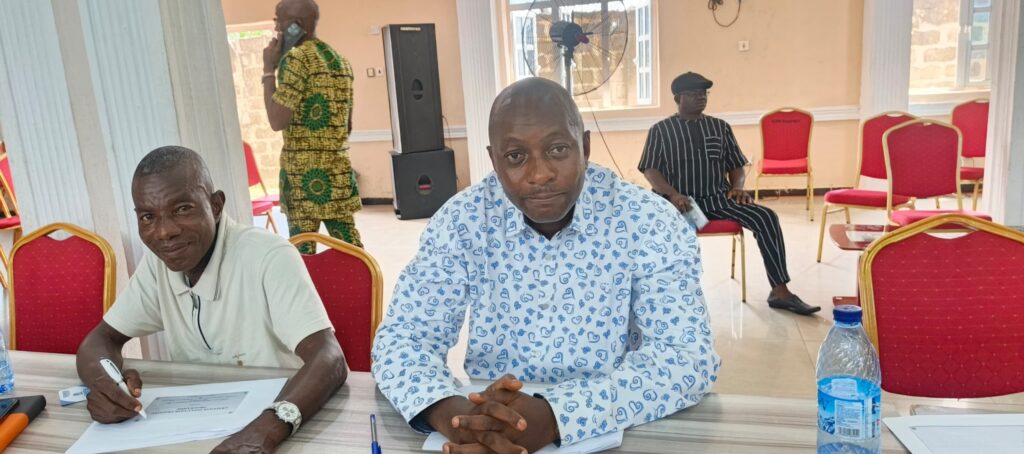
The Maritime Reporters Association of Nigeria (MARAN) has concluded a professional training programme for 20 of its members at the Chartered Institute of Shipping of Nigeria (CISN), reaffirming its commitment to strengthening maritime journalism through sustained capacity building.
The Graduate Induction Training Programme, which ended on Saturday, October 10, 2026, was designed to deepen participants’ understanding of shipping operations, port management, maritime regulations and emerging opportunities in Nigeria’s blue economy.
Participants are expected to obtain a Postgraduate Diploma Certificate in Shipping upon successful completion of the programme.
The training covered maritime safety and security, integrated marine environment management, shipping and port management, cargo clearance procedures and documentation, as well as the marine and blue economy.
Delivering the first lecture, a CISN lecturer, Mr Patrick Ambakederimo, examined the principles of maritime safety and security, highlighting their importance to efficient shipping operations, the protection of lives and property, and the sustainability of the maritime industry.
He discussed the identification and management of risks associated with vessel operations, cargo handling and other maritime activities, stressing the need for compliance with safety regulations, regular inspections, adequate crew training and effective emergency response procedures.
Participants were also exposed to the importance of intelligence sharing, effective surveillance, coordinated security operations and compliance with relevant international maritime security standards.
Ambakederimo distinguished between maritime safety, which focuses on preventing accidents and operational hazards, and maritime security, which addresses deliberate threats and unlawful activities within the maritime domain.
Another CISN lecturer, Mr Sunday Duru, delivered a lecture on integrated marine environment management, emphasising the need for coordinated efforts to protect marine and coastal ecosystems from the effects of shipping, port operations, coastal development and other maritime-related activities.
Duru highlighted the importance of collaboration among government agencies, maritime operators, environmental organisations, coastal communities and other stakeholders in tackling environmental challenges.
The session examined issues such as marine pollution, oil spills, improper waste disposal, plastic pollution and the degradation of coastal ecosystems. Participants were also introduced to environmental monitoring, pollution prevention, proper waste management and the enforcement of environmental regulations.
Other courses covered shipping and port management, cargo clearance procedures and documentation, and the marine and blue economy. The sessions were designed to broaden participants’ understanding of the commercial and operational dimensions of shipping, as well as opportunities in fisheries, coastal tourism and other ocean-related activities.
Speaking on the initiative, MARAN President, Oluyinka Onigbinde, said the association was committed to developing maritime journalists with the technical knowledge and professional competence required to report the industry accurately and effectively.
Onigbinde noted that maritime journalism required more than the ability to gather and write news, explaining that reporters needed a sound understanding of the policies, regulations, commercial transactions and operational processes that shape the industry.
According to him, better-informed journalists would be better positioned to analyse developments, scrutinise decisions by industry stakeholders and explain complex maritime issues to the public.
He said MARAN would sustain its capacity-building efforts through partnerships with maritime institutions, government agencies and private-sector operators to provide members with access to specialised training and professional development opportunities.
The MA