
“HIGH CHARGES, AGEING INFRASTRUCTURE THREATEN NIGERIAN PORTS’ COMPETITIVENESS”- STAKEHOLDERS
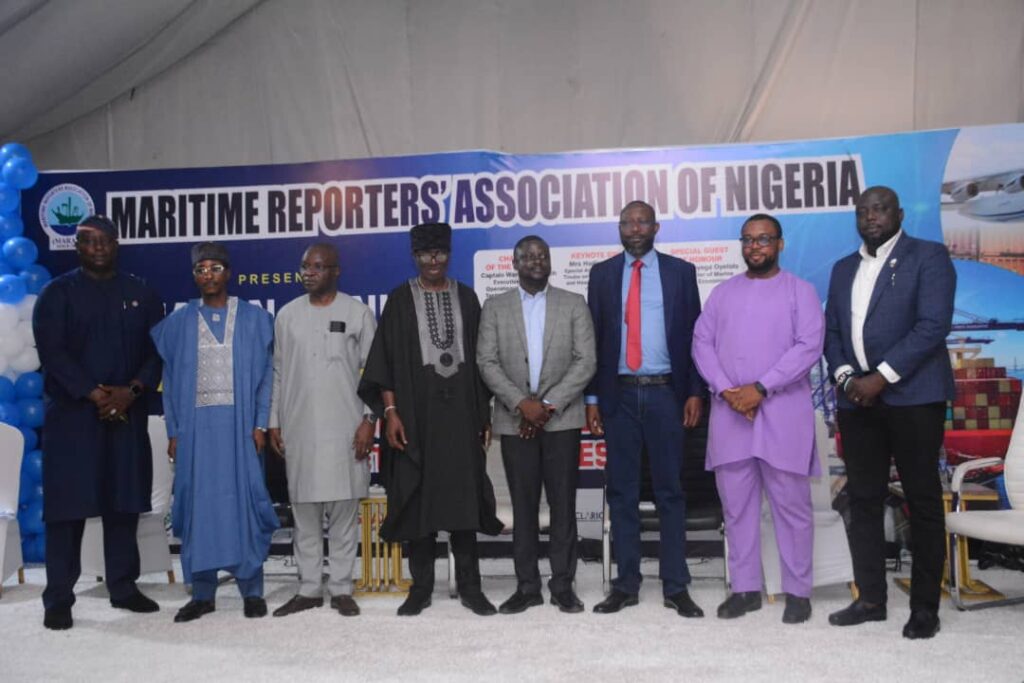
 “High Charges, Ageing Infrastructure Threaten Nigerian Ports’ Competitiveness” — Stakeholders
By Babatunde Aremu
Stakeholders in Nigeria’s maritime sector have identified high port charges, ageing infrastructure, inadequate digital integration and poor attitudes among port users as major factors undermining the competitiveness of the nation’s seaports.
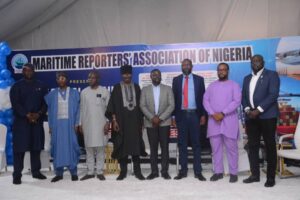
The stakeholders spoke during a panel session at the 4th Maritime Reporters’ Association of Nigeria (MARAN) Annual Maritime Lecture (MAMAL 2026), held at the Nigerian Air Force Events Centre, Victoria Island, Lagos.
The lecture was themed “Nigerian Ports Modernisation, Charges and the Competitiveness Question.”
Moderating the session, Mr. Emmanuel Maigunwa said port competitiveness should go beyond reducing the cost of importing and exporting goods to positioning Nigeria as a major regional trade and transit corridor.
He noted that efficient and competitively priced ports would reduce the burden on consumers while helping Nigeria attract cargoes from neighbouring countries and maximise the economic benefits of its strategic maritime position.
Representing the Nigerian Association of Chambers of Commerce, Industry, Mines and Agriculture (NACCIMA), Mr. Willem Inya identified the multiplicity of port charges as a major concern for private-sector operators.
According to him, importers are often confronted with several charges during the clearance of containers, while delays frequently result in additional demurrage and increased costs.
He called for the harmonisation and rationalisation of port charges, stressing that multiple and excessive charges could make Nigerian businesses less competitive.
Also speaking, Joseph Adegbite, Assistant General Manager, Corporate and Strategic Planning, Nigerian Ports Authority (NPA), described ageing infrastructure as one of the major challenges affecting efficient port operations.
Adegbite noted that most Nigerian ports, apart from Lekki Deep Sea Port, are more than 50 years old, making infrastructure renewal essential to improving productivity and efficiency.
He explained that deteriorating infrastructure limits the type of cargo-handling equipment that can be deployed, thereby affecting productivity and increasing the time vessels and cargoes spend within the port system.
According to him, inefficiencies in port operations ultimately translate into additional costs for port users and consumers.
Adegbite said the Federal Government’s port modernisation programme, which is commencing in the Lagos area because of its dominant share of Nigeria’s maritime traffic, would subsequently extend to the Eastern ports.
He, however, stressed that modernisation should not be restricted to physical infrastructure but must also encompass digital integration, renewable energy, Port Community Systems and the Maritime Single Window.
“Port operation is a communal system. It is a community,” he said, emphasising the need for effective digital integration among government agencies and other stakeholders to eliminate operational silos and reduce delays.
Adegbite also identified infrastructure challenges at the Rivers and Warri ports, while noting that Onne Port requires significant infrastructure improvements.
Contributing from the floor, Mrs. Chinwe Ezenwa, Managing Director, Le Look Bags, said infrastructure development alone would not resolve Nigeria’s port challenges without a corresponding change in the attitude of stakeholders.
She called for sustained sensitisation and reorientation of port users, practitioners and other stakeholders to encourage responsible use and protection of public infrastructure.
Ezenwa said she had witnessed instances of government infrastructure being vandalised, warning that investments in infrastructure could be undermined if stakeholders failed to develop the right attitude towards public assets.
She therefore advocated sustained public enlightenment and a renewed value system as integral components of Nigeria’s port modernisation efforts.
On port charges and tariffs, Capt